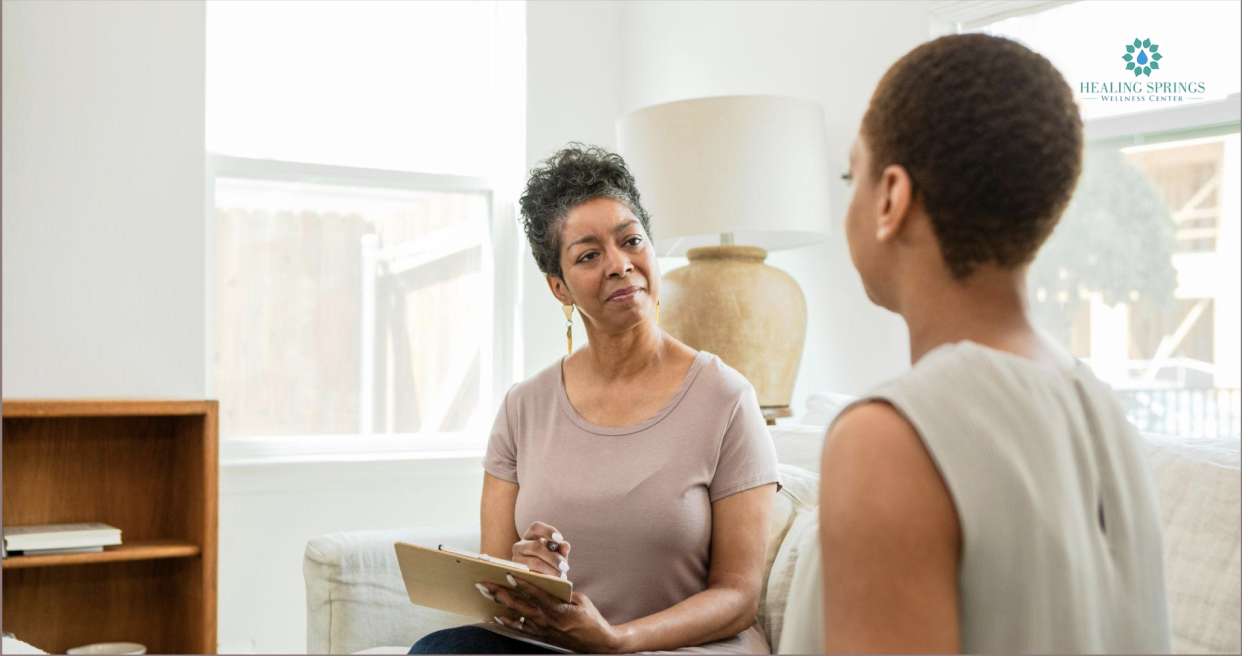
Self Care Ideas: Simple Daily Habits to Improve Mental Health 

Discover self care ideas and self care activities that reduce stress, improve mental health and support emotional well-being through simple daily habits.

What to know:

  • Self-care is not selfish. It is one of the most important things you can do for your mental health.
  • Self-care activities do not have to be expensive, time-consuming, or complicated. Small, consistent habits make the biggest difference.
  • Whether you are looking for self-care ideas for women, self-care ideas for men, or simply a starting point this guide has you covered.

When was the last time you did something just for yourself? Not for work, not for your family, not to check something off a list. Just for you.

If you had to think hard about that this guide is for you.

Self-care gets talked about a lot. But for most people, it still feels either out of reach or like one more thing to feel guilty about not doing. The truth is, self-care ideas do not have to look like a spa day or a week off work. They can be as simple as drinking water before coffee, stepping outside for five minutes, or turning your phone off an hour before bed.

At Healing Springs Wellness Center, we believe that helping self is the foundation of every other kind of healing. When you take care of yourself consistently, you become more grounded, more resilient, and more present for the people and things that matter to you. This guide gives you over 50 practical self-care activities organized by category so you can start exactly where you are.

What Is Self-Care 

Self-care is the intentional practice you take to support your physical, emotional, mental, or spiritual well-being through actions that help you feel healthier, more balanced, and better equipped to navigate daily life.

One of the most common misconceptions about self-care is that it is something you earn after working hard enough or taking care of everyone else first. In reality, self-care is not a reward. It is a fundamental part of maintaining your health, managing stress, and supporting your overall quality of life.

Many of the most effective self-care activities are surprisingly simple. Getting enough sleep, taking a walk, preparing a nourishing meal, setting healthy boundaries, spending time with supportive people, or taking a few quiet moments to yourself can all be meaningful forms of self-care.

Over time, these small actions become part of a sustainable wellness routine that supports both your physical health and emotional well-being.

Research continues to show that regular self-care activities can help reduce stress, improve sleep quality, strengthen emotional resilience, and support better mental health. More importantly, they help you build a healthier relationship with yourself—one based on awareness, self-respect, and sustainable care.

Whether you are exploring new self-care ideas or trying to create a daily routine that better supports your well-being, the goal is not perfection. The goal is to develop habits that help you feel more connected to yourself and more supported in your everyday life.

Why Does Self-Care Matter?

Self-care is not just about feeling good in the moment. It has real, measurable effects on your mental health and the research backs it up.

When you maintain consistent self-care activities, your cortisol levels (the stress hormone) decrease, your sleep quality improves, and your emotional regulation becomes stronger. You become better at handling hard situations — not because they get easier, but because you have more internal resources to draw on.

Low or absent self-care, on the other hand, tends to show up as burnout, chronic irritability, physical illness, difficulty concentrating, and a growing sense of disconnection from yourself and the people around you. Most people can recognize that list. Most people have been there.

Building a genuine wellness routine is one of the most direct things you can do to protect and improve your mental health. Not as an afterthought but as a daily, non-negotiable commitment to yourself.

Without it, many people experience:

  • Emotional exhaustion and burnout
  • Increased stress and irritability
  • Difficulty concentrating
  • Poor sleep
  • A growing sense of disconnection from themselves and others

The good news is that self-care does not have to be complicated. Often, the smallest acts of care practiced consistently can make the biggest difference.

Self-Care Activities You Can Do on Your Own

Solo self-care activities are the most meaningful acts of self care. In a world that constantly asks for your attention, energy, and availability, being alone can feel unfamiliar—even uncomfortable at times. Yet solitude can be a powerful opportunity to reconnect with your thoughts, your needs, and the parts of yourself that often get overlooked in the rush of daily life.

Solo self-care is about creating space to check in with yourself without outside expectations, opinions, or demands. These moments of intentional care can help you feel more grounded, restore your energy, and strengthen your relationship with yourself.

Here are some simple self-care activities you can enjoy entirely on your own:

For Your Mind

  • Read a book you have been putting off for months
  • Journal for 10 minutes without worrying about grammar or structure. 
  • Watch a show or movie that makes you genuinely laugh
  • Listen to a podcast or audiobook on something that interests you
  • Complete a puzzle, crossword, or brain game
  • Spend 20 minutes learning something new just because you want to

For Your Body

  • Take a long shower or relaxing bath without rushing
  • Cook or order a meal you actually love without guilt
  • Allow yourself to sleep extra when your body needs it
  • Put your phone in another room for an hour
  • Drink a full glass of water before reaching for coffee
  • Turn your skincare or body care routine into a moment of intentional care

For Your Creativity

  • Draw, paint, or doodle without worrying about its final outcome 
  • Create a playlist that matches exactly how you feel right now
  • Rearrange a corner of your space to feel more like you
  • Cook something new just for the experience of it
  • Take photos of things you find beautiful on a regular walk

These are not small things. They are acts of helping self that, over time, rebuild your sense of who you are what you enjoy, what you need, what makes you feel alive.

Self-Care Ideas to Feel Calm, Grounded, and Uplifted

Some of the most effective self-care ideas are not about doing more. It is about slowing down enough to actually feel what is happening and giving your nervous system permission to rest. During hard times, self-care activities are specifically designed to calm your body and mind when life feels heavy.

Whether you are looking for gentle ways to reduce stress, improve your mood, or add more intentional moments to your wellness routine, these practices can help you feel more grounded and connected to yourself. 

Mindfulness and Rest

  • Sit outside for 10 minutes without phone and inhale slowly 
  • Do a simple 5-minute breathing exercise: inhale for 4 counts, hold for 2, exhale for 6
  • Meditate even 5 minutes of intentional stillness counts
  • Take a nap without guilt. Rest is productive.
  • Light a candle that smells good and sit with it
  • Look at the sky clouds in the day, stars at night

Emotional Release

  • Write a gratitude list three specific things, not generic ones
  • Say positive affirmations out loud, even if they feel awkward at first
  • Write a letter to your younger self say what they needed to hear
  • Let yourself cry if you need to. Crying is not a weakness.
  • Read or listen to something that genuinely uplifts you

The 3-3-3 Rule: A Simple Grounding Technique For Anxiety

One of the simplest grounding tools you can add to your wellness routine is the 3-3-3 rule. 

When you notice yourself feeling anxious, overwhelmed, or emotionally flooded:

  • Identify 3 things you can see
  • Notice 3 sounds you can hear
  • Move 3 parts of your body

That is it. It takes about 90 seconds and it works by pulling your brain out of the future it is catastrophizing about and back into the present moment. 

The 3-3-3 Rule is not meant to eliminate anxiety completely. Instead, it serves as a practical grounding tool that can help reduce the intensity of anxious thoughts and create a sense of calm when emotions feel overwhelming.

Because it takes less than two minutes and requires no special equipment, it is one of the easiest self-care activities to add to your daily routine.

Keep it in your toolkit — for yourself and for the people you love.

Self-Care Activities to Move Your Body and Release Stress

Physical movement is one of the most direct forms of self-care available to us. It is not just about fitness it is about using your body to process what your mind is carrying. In reality, movement is about much more than physical health. It is a powerful way to release stress, regulate emotions, and reconnect with your body. When life feels overwhelming, movement can help discharge some of the tension that accumulates in both the mind and nervous system.

The good news is that self-care activities involving movement do not need to be intense or time-consuming to make a difference. What matters most is finding ways to move that feel enjoyable, accessible, and sustainable for you.

Here are a few simple ideas to get started:

  • Take a 20-minute walk, even if it is just around your neighborhood
  • Put on your favorite song and dance around your living room
  • Follow a beginner-friendly yoga video at home
  • Stretch for a few minutes when you wake up or before bed
  • Go for a bike ride, swim, or hike if those activities are available to you
  • Try a fitness class, either in person or online, simply for the experience
  • Spend time outdoors while moving, even if it is a slow and leisurely walk

    As one of the most effective self-care ideas for men and women alike, regular movement has been shown to reduce symptoms of depression and anxiety, improve sleep quality, and boost self-esteem often faster than any other single habit.

Self-Care Ideas to Connect With Others

While many self-care activities focus on caring for yourself independently, meaningful connection is also an important part of overall well-being. Human beings are wired for connection, and healthy relationships can play a powerful role in supporting emotional health, reducing stress, and helping us feel seen and understood.

In fact, some of the most impactful self-care ideas involve reaching out, strengthening relationships, and allowing yourself to receive support from others.

Connection does not have to be complicated. Often, it begins with small, intentional moments.

Here are a few self-care ideas that can help you nurture meaningful relationships:

  • Call a friend or family member you have been meaning to reconnect with
  • Make plans with someone whose company genuinely leaves you feeling supported and energized
  • Share a meal with a loved one without distractions
  • Join a local group, class, or community centered around a shared interest
  • Volunteer for a cause that matters to you
  • Write a thoughtful message or letter to someone you appreciate
  • Attend a community, spiritual, or religious gathering that feels meaningful to you
  • Spend quality time with a pet or offer to help care for one
  • Practice being honest about how you are feeling with someone you trust

For many people, one of the most challenging aspects of self-care is allowing themselves to receive support. It can feel easier to be the person who listens, helps, and shows up for others than it is to admit when you need to care for yourself.

Yet healthy relationships are built on mutual support. A balanced wellness routine includes not only caring for yourself, but also creating space for connection, belonging, and emotional support.

Sometimes, one of the most meaningful acts of self-care is reminding yourself that you do not have to carry everything alone.

Self-Care Ideas for Women: Taking Care of Yourself Without Apology

Many women spend so much time caring for others that they rarely pause to ask themselves a simple question: “What do I need right now?”

Whether it is family responsibilities, work demands, caregiving roles, or the emotional labor of supporting those around them, women are often encouraged to prioritize everyone else’s needs before their own. Over time, this can make self-care feel selfish when it is actually essential.

The truth is that caring for yourself is not taking away from the people you love. It is what helps you show up for them from a place of greater energy, balance, and well-being.

These self-care ideas for women are not about adding more to your to-do list. They are about creating intentional space for yourself in a life that may already feel full.

  • Block one hour per week that belongs entirely to you and protect it – Put it in your calendar like an important appointment. You do not need to justify what you do with it. Read, rest, walk, and sit quietly. The point is that it is yours.

  • Say no to one thing this week that you would usually say yes to out of obligation – Not every request deserves a yes. Not every invitation is one you actually want to accept.

  • Ask for help with something you have been handling alone – This is one of the hardest self-care activities for many women and one of the most important. Asking for help is not a weakness.

  • Book the medical or wellness appointment you have been putting off – The one that keeps getting pushed back because something else came first. Your health is not less important than your to-do list. Schedule it today.

  • Do your skincare, hair care, or beauty routine slowly — as a ritual – There is a difference between doing something quickly to check it off a list and doing it intentionally as an act of care. Taking care of how you look and feel in your body is a form of honoring yourself.

  • Sit with your own feelings instead of managing everyone else’s – Many women are so practiced at reading and regulating the emotions of others that they lose track of their own. You are allowed to have an emotional experience that belongs only to you. You do not have to make it smaller or fix it immediately.

    A healthy wellness routine is not just about taking care of your responsibilities. It is also about taking care of yourself. Your needs are not a burden, an inconvenience, or something that must wait until everyone else is okay.

Self-Care Ideas for Men: Strength Means Taking Care of Yourself

Many men grow up hearing messages that encourage them to push through, stay strong, and handle things on their own. While resilience is valuable, true strength also includes knowing when to rest, ask for support, and take care of your well-being.

These self-care ideas for men are practical, realistic, and designed to fit into everyday life.

  • Prioritize your sleep – Sleep deprivation affects reaction time, decision-making, emotional regulation, and physical health more than almost any other single factor. Give your brain and body what they need to function.

  • Find physical movement you actually enjoy – Find something you genuinely want to do. A movement you enjoy is a movement you will sustain. And sustained movement is what actually builds the mental health benefits over time.

  • Have one honest conversation this week – With a friend, a partner, a sibling, a therapist someone you trust. An honest one. Saying out loud what you are actually carrying reduces the psychological weight of it in a way that nothing else does.

  • Cook a real meal for yourself – There is something grounding about nourishing your own body with something you made it is a quiet, direct act of helping self that most people overlook entirely.

  • Spend time in nature in whatever form works for you –  Hiking, fishing, sitting in a park, watching a game outside. Time in natural environments reduces cortisol, lowers blood pressure, and improves mood.

  • Check in on your mental health the same way you would check in on a physical injury – If you broke your arm, you would go to a doctor. You would not just push through it. Mental health works the same way, if left untreated, it gets worse. 

A wellness routine built on genuine self-care is not soft. It is sustainable. It is what makes you better at everything including the things and people you care most about.

How to Build a Daily Self-Care Routine That Actually Sticks

Most people do not struggle with knowing what self-care is. They struggle with doing it consistently. The reason most wellness routines fail is not lack of motivation it is that they were built too big, too fast, and too far from real life.
Here are a few ways to create a routine that lasts : 

  • Start with one thing not ten

Pick one self-care activity from this list that feels genuinely accessible right now. It could be taking a short walk, drinking more water, journaling for five minutes, or going to bed a little earlier.

Small changes are easier to maintain and often lead to bigger ones over time.

  • Attach it to something you already do

One of the easiest ways to build a new routine is to pair it with something you already do.

For example:

  • Stretch while your coffee brews
  • Practice gratitude before bed
  • Take a short walk after lunch
  • Read for a few minutes before going to sleep

Attaching a new habit to an existing one makes it easier to remember and maintain.

  • Let go of Perfection 

Self-care does not have to be all or nothing.

A five-minute walk is better than no walk. A few deep breaths are better than none. Small acts of care still count.

Consistency matters far more than perfection.

  • Choose what works for you 

The best self-care ideas are the ones that fit your life, personality, and needs.

You do not have to follow someone else’s morning routine or wellness trend. Focus on practices that genuinely help you feel rested, supported, and balanced.

A meaningful wellness routine is not about doing everything. It is about doing a few things consistently enough that they become a natural part of how you care for yourself.

You Deserve the Same Care You Give to Others 

Building a genuine wellness routine is one of the most loving things you can do for yourself. It is not an indulgence. It is not optional. It is the foundation of a life that feels good to live and of showing up fully for everything and everyone that matters to you.

At Healing Springs Wellness Center, we help people build real, sustainable self-care practices as part of their broader healing journey. Whether you are navigating burnout, anxiety, trauma, relationship challenges, or simply that persistent sense of running on empty our team of compassionate, trauma-informed therapists is here to support you.

Self-care is a starting point. Therapy is where the deeper work happens. And both are available to you here.

Reach out today to Schedule a consultation

Frequently Asked Questions

Q: How to start a daily self-care routine for better mental health?

Building a daily self-care routine starts with choosing one small action that feels realistic and sustainable. Rather than trying to overhaul your entire lifestyle, focus on a single habit such as taking a short walk, drinking more water, journaling for five minutes, or setting aside time to rest.

The most effective routines are built gradually. As one habit becomes part of your day, you can add another. Over time, these small acts of care create a foundation that supports your mental health, emotional well-being, and overall quality of life.

Q: What are the 5 C’s of self-care?

The 5 C’s of self-care are a framework for understanding what a genuine, complete approach to helping self actually involves:

  • Connection – Building healthy relationships and meaningful social support
  • Compassion – Treating yourself with kindness and understanding
  • Care – Meeting your physical and emotional needs consistently
  • Community – Feeling a sense of belonging and support
  • Commitment – Making your well-being a regular priority

Together, these elements encourage a balanced approach to self-care that supports both personal growth and emotional resilience.

Q: What are 10 self-care practices?

Ten simple, evidence-backed self-care activities to build into your daily life:

  • Daily movement – even a 20-minute walk counts
  • Consistent sleep – protecting both the hours and the quality
  • Journaling – 10 minutes of honest, unedited writing
  • Regular digital breaks – intentional phone-free time each day
  • Hydration – drinking enough water, consistently
  • Breathwork or mindfulness – 5 minutes of intentional stillness
  • Genuine social connection – one real conversation with someone who energizes you
  • Nourishing food – at least one meal each day that genuinely feeds you
  • Gratitude practice – three specific, real things you are grateful for
  • Rest without guilt – allowing yourself to stop

Q: What are the 4 pillars of self-care?

The 4 pillars of self-care provide a framework for making sure your wellness routine is genuinely holistic and not just focused on one area of your life:

  • Physical – Supporting your body through sleep, nutrition, movement, and healthcare
  • Emotional – Understanding, expressing, and managing emotions in healthy ways
  • Mental – Caring for your thoughts, stress levels, and psychological well-being
  • Spiritual – Connecting with your values, purpose, faith, or sense of meaning

A healthy wellness routine often includes all four pillars, as each plays an important role in overall well-being.

Q: What are the 10 key emotional needs?

Understanding your emotional needs is one of the most powerful acts of helping self. These are the 10 core emotional needs most people share and that, when consistently unmet, tend to affect mental health most significantly:

  • Security – feeling physically and emotionally safe in your environment and relationships
  • Autonomy – having real control over your own choices and direction in life
  • Connection – feeling genuinely close to others, not just present around them
  • Recognition – being truly seen, valued, and appreciated for who you are
  • Privacy – having space to think, feel, and process without constant external input
  • Meaning and purpose – feeling that your life and actions matter beyond daily tasks
  • Achievement – experiencing genuine growth, progress, and competence
  • Community – belonging to something larger than yourself
  • Love and intimacy – giving and receiving genuine, unconditional care
  • Fun and play – experiencing lightness, laughter, and genuine joy

A thoughtful wellness routine is essentially a daily practice of meeting these needs intentionally before they become urgent.

Q: What are a woman’s emotional needs?

Every woman is unique, but many women share common emotional needs, including feeling respected, valued, understood, supported, and emotionally safe.
Healthy relationships often provide:

  • Safety – physically and emotionally, in their relationships, environments, and their own body
  • To be genuinely heard – not just accommodated or managed, but actually listened to
  • Rest without guilt – the permission to stop without having to justify it to themselves or anyone else
  • Autonomy – real control over their time, body, and choices
  • Mutual connection – relationships that go both ways, not just ones where they give
  • To be seen fully – recognized for who they are, not just what they do for others

The self-care ideas for women that make the most lasting difference tend to be the ones that directly address these needs not generic suggestions, but honest acts of self-respect that honor these realities. At Healing Springs Wellness Center, we create space for exactly that kind of care.

Q: What is the 3-3-3 rule in mental health?

The 3-3-3 Rule is a simple grounding technique often used to manage anxiety and overwhelming thoughts.

When you feel anxious, pause and:

  1. Name 3 things you can see
  2. Identify 3 sounds you can hear
  3. Move 3 parts of your body

 It takes about 90 seconds and works in virtually any situation. It is worth keeping in your wellness routine toolkit permanently.

Disclaimer: This article is intended for educational and informational purposes only and does not constitute medical, psychological, or mental health advice. Reading this content does not establish a therapist-client relationship. If you are experiencing a mental health crisis or require immediate support, please contact emergency services or a qualified healthcare professional in your area.

Self Care Ideas: Simple Daily Habits to Improve Mental Health 

What to know:

  • Self-care is not selfish. It is one of the most important things you can do for your mental health.
  • Self-care activities do not have to be expensive, time-consuming, or complicated. Small, consistent habits make the biggest difference.
  • Whether you are looking for self-care ideas for women, self-care ideas for men, or simply a starting point this guide has you covered.

When was the last time you did something just for yourself? Not for work, not for your family, not to check something off a list. Just for you.

If you had to think hard about that this guide is for you.

Self-care gets talked about a lot. But for most people, it still feels either out of reach or like one more thing to feel guilty about not doing. The truth is, self-care ideas do not have to look like a spa day or a week off work. They can be as simple as drinking water before coffee, stepping outside for five minutes, or turning your phone off an hour before bed.

At Healing Springs Wellness Center, we believe that helping self is the foundation of every other kind of healing. When you take care of yourself consistently, you become more grounded, more resilient, and more present for the people and things that matter to you. This guide gives you over 50 practical self-care activities organized by category so you can start exactly where you are.

What Is Self-Care 

Self-care is the intentional practice you take to support your physical, emotional, mental, or spiritual well-being through actions that help you feel healthier, more balanced, and better equipped to navigate daily life.

One of the most common misconceptions about self-care is that it is something you earn after working hard enough or taking care of everyone else first. In reality, self-care is not a reward. It is a fundamental part of maintaining your health, managing stress, and supporting your overall quality of life.

Many of the most effective self-care activities are surprisingly simple. Getting enough sleep, taking a walk, preparing a nourishing meal, setting healthy boundaries, spending time with supportive people, or taking a few quiet moments to yourself can all be meaningful forms of self-care.

Over time, these small actions become part of a sustainable wellness routine that supports both your physical health and emotional well-being.

Research continues to show that regular self-care activities can help reduce stress, improve sleep quality, strengthen emotional resilience, and support better mental health. More importantly, they help you build a healthier relationship with yourself—one based on awareness, self-respect, and sustainable care.

Whether you are exploring new self-care ideas or trying to create a daily routine that better supports your well-being, the goal is not perfection. The goal is to develop habits that help you feel more connected to yourself and more supported in your everyday life.

Why Does Self-Care Matter?

Self-care is not just about feeling good in the moment. It has real, measurable effects on your mental health and the research backs it up.

When you maintain consistent self-care activities, your cortisol levels (the stress hormone) decrease, your sleep quality improves, and your emotional regulation becomes stronger. You become better at handling hard situations — not because they get easier, but because you have more internal resources to draw on.

Low or absent self-care, on the other hand, tends to show up as burnout, chronic irritability, physical illness, difficulty concentrating, and a growing sense of disconnection from yourself and the people around you. Most people can recognize that list. Most people have been there.

Building a genuine wellness routine is one of the most direct things you can do to protect and improve your mental health. Not as an afterthought but as a daily, non-negotiable commitment to yourself.

Without it, many people experience:

  • Emotional exhaustion and burnout
  • Increased stress and irritability
  • Difficulty concentrating
  • Poor sleep
  • A growing sense of disconnection from themselves and others

The good news is that self-care does not have to be complicated. Often, the smallest acts of care practiced consistently can make the biggest difference.

Self-Care Activities You Can Do on Your Own

Solo self-care activities are the most meaningful acts of self care. In a world that constantly asks for your attention, energy, and availability, being alone can feel unfamiliar—even uncomfortable at times. Yet solitude can be a powerful opportunity to reconnect with your thoughts, your needs, and the parts of yourself that often get overlooked in the rush of daily life.

Solo self-care is about creating space to check in with yourself without outside expectations, opinions, or demands. These moments of intentional care can help you feel more grounded, restore your energy, and strengthen your relationship with yourself.

Here are some simple self-care activities you can enjoy entirely on your own:

For Your Mind

  • Read a book you have been putting off for months
  • Journal for 10 minutes without worrying about grammar or structure. 
  • Watch a show or movie that makes you genuinely laugh
  • Listen to a podcast or audiobook on something that interests you
  • Complete a puzzle, crossword, or brain game
  • Spend 20 minutes learning something new just because you want to

For Your Body

  • Take a long shower or relaxing bath without rushing
  • Cook or order a meal you actually love without guilt
  • Allow yourself to sleep extra when your body needs it
  • Put your phone in another room for an hour
  • Drink a full glass of water before reaching for coffee
  • Turn your skincare or body care routine into a moment of intentional care

For Your Creativity

  • Draw, paint, or doodle without worrying about its final outcome 
  • Create a playlist that matches exactly how you feel right now
  • Rearrange a corner of your space to feel more like you
  • Cook something new just for the experience of it
  • Take photos of things you find beautiful on a regular walk

These are not small things. They are acts of helping self that, over time, rebuild your sense of who you are what you enjoy, what you need, what makes you feel alive.

Self-Care Ideas to Feel Calm, Grounded, and Uplifted

Some of the most effective self-care ideas are not about doing more. It is about slowing down enough to actually feel what is happening and giving your nervous system permission to rest. During hard times, self-care activities are specifically designed to calm your body and mind when life feels heavy.

Whether you are looking for gentle ways to reduce stress, improve your mood, or add more intentional moments to your wellness routine, these practices can help you feel more grounded and connected to yourself. 

Mindfulness and Rest

  • Sit outside for 10 minutes without phone and inhale slowly 
  • Do a simple 5-minute breathing exercise: inhale for 4 counts, hold for 2, exhale for 6
  • Meditate even 5 minutes of intentional stillness counts
  • Take a nap without guilt. Rest is productive.
  • Light a candle that smells good and sit with it
  • Look at the sky clouds in the day, stars at night

Emotional Release

  • Write a gratitude list three specific things, not generic ones
  • Say positive affirmations out loud, even if they feel awkward at first
  • Write a letter to your younger self say what they needed to hear
  • Let yourself cry if you need to. Crying is not a weakness.
  • Read or listen to something that genuinely uplifts you

The 3-3-3 Rule: A Simple Grounding Technique For Anxiety

One of the simplest grounding tools you can add to your wellness routine is the 3-3-3 rule. 

When you notice yourself feeling anxious, overwhelmed, or emotionally flooded:

  • Identify 3 things you can see
  • Notice 3 sounds you can hear
  • Move 3 parts of your body

That is it. It takes about 90 seconds and it works by pulling your brain out of the future it is catastrophizing about and back into the present moment. 

The 3-3-3 Rule is not meant to eliminate anxiety completely. Instead, it serves as a practical grounding tool that can help reduce the intensity of anxious thoughts and create a sense of calm when emotions feel overwhelming.

Because it takes less than two minutes and requires no special equipment, it is one of the easiest self-care activities to add to your daily routine.

Keep it in your toolkit — for yourself and for the people you love.

Self-Care Activities to Move Your Body and Release Stress

Physical movement is one of the most direct forms of self-care available to us. It is not just about fitness it is about using your body to process what your mind is carrying. In reality, movement is about much more than physical health. It is a powerful way to release stress, regulate emotions, and reconnect with your body. When life feels overwhelming, movement can help discharge some of the tension that accumulates in both the mind and nervous system.

The good news is that self-care activities involving movement do not need to be intense or time-consuming to make a difference. What matters most is finding ways to move that feel enjoyable, accessible, and sustainable for you.

Here are a few simple ideas to get started:

  • Take a 20-minute walk, even if it is just around your neighborhood
  • Put on your favorite song and dance around your living room
  • Follow a beginner-friendly yoga video at home
  • Stretch for a few minutes when you wake up or before bed
  • Go for a bike ride, swim, or hike if those activities are available to you
  • Try a fitness class, either in person or online, simply for the experience
  • Spend time outdoors while moving, even if it is a slow and leisurely walk

    As one of the most effective self-care ideas for men and women alike, regular movement has been shown to reduce symptoms of depression and anxiety, improve sleep quality, and boost self-esteem often faster than any other single habit.

Self-Care Ideas to Connect With Others

While many self-care activities focus on caring for yourself independently, meaningful connection is also an important part of overall well-being. Human beings are wired for connection, and healthy relationships can play a powerful role in supporting emotional health, reducing stress, and helping us feel seen and understood.

In fact, some of the most impactful self-care ideas involve reaching out, strengthening relationships, and allowing yourself to receive support from others.

Connection does not have to be complicated. Often, it begins with small, intentional moments.

Here are a few self-care ideas that can help you nurture meaningful relationships:

  • Call a friend or family member you have been meaning to reconnect with
  • Make plans with someone whose company genuinely leaves you feeling supported and energized
  • Share a meal with a loved one without distractions
  • Join a local group, class, or community centered around a shared interest
  • Volunteer for a cause that matters to you
  • Write a thoughtful message or letter to someone you appreciate
  • Attend a community, spiritual, or religious gathering that feels meaningful to you
  • Spend quality time with a pet or offer to help care for one
  • Practice being honest about how you are feeling with someone you trust

For many people, one of the most challenging aspects of self-care is allowing themselves to receive support. It can feel easier to be the person who listens, helps, and shows up for others than it is to admit when you need to care for yourself.

Yet healthy relationships are built on mutual support. A balanced wellness routine includes not only caring for yourself, but also creating space for connection, belonging, and emotional support.

Sometimes, one of the most meaningful acts of self-care is reminding yourself that you do not have to carry everything alone.

Self-Care Ideas for Women: Taking Care of Yourself Without Apology

Many women spend so much time caring for others that they rarely pause to ask themselves a simple question: “What do I need right now?”

Whether it is family responsibilities, work demands, caregiving roles, or the emotional labor of supporting those around them, women are often encouraged to prioritize everyone else’s needs before their own. Over time, this can make self-care feel selfish when it is actually essential.

The truth is that caring for yourself is not taking away from the people you love. It is what helps you show up for them from a place of greater energy, balance, and well-being.

These self-care ideas for women are not about adding more to your to-do list. They are about creating intentional space for yourself in a life that may already feel full.

  • Block one hour per week that belongs entirely to you and protect it – Put it in your calendar like an important appointment. You do not need to justify what you do with it. Read, rest, walk, and sit quietly. The point is that it is yours.

  • Say no to one thing this week that you would usually say yes to out of obligation – Not every request deserves a yes. Not every invitation is one you actually want to accept.

  • Ask for help with something you have been handling alone – This is one of the hardest self-care activities for many women and one of the most important. Asking for help is not a weakness.

  • Book the medical or wellness appointment you have been putting off – The one that keeps getting pushed back because something else came first. Your health is not less important than your to-do list. Schedule it today.

  • Do your skincare, hair care, or beauty routine slowly — as a ritual – There is a difference between doing something quickly to check it off a list and doing it intentionally as an act of care. Taking care of how you look and feel in your body is a form of honoring yourself.

  • Sit with your own feelings instead of managing everyone else’s – Many women are so practiced at reading and regulating the emotions of others that they lose track of their own. You are allowed to have an emotional experience that belongs only to you. You do not have to make it smaller or fix it immediately.

    A healthy wellness routine is not just about taking care of your responsibilities. It is also about taking care of yourself. Your needs are not a burden, an inconvenience, or something that must wait until everyone else is okay.

Self-Care Ideas for Men: Strength Means Taking Care of Yourself

Many men grow up hearing messages that encourage them to push through, stay strong, and handle things on their own. While resilience is valuable, true strength also includes knowing when to rest, ask for support, and take care of your well-being.

These self-care ideas for men are practical, realistic, and designed to fit into everyday life.

  • Prioritize your sleep – Sleep deprivation affects reaction time, decision-making, emotional regulation, and physical health more than almost any other single factor. Give your brain and body what they need to function.

  • Find physical movement you actually enjoy – Find something you genuinely want to do. A movement you enjoy is a movement you will sustain. And sustained movement is what actually builds the mental health benefits over time.

  • Have one honest conversation this week – With a friend, a partner, a sibling, a therapist someone you trust. An honest one. Saying out loud what you are actually carrying reduces the psychological weight of it in a way that nothing else does.

  • Cook a real meal for yourself – There is something grounding about nourishing your own body with something you made it is a quiet, direct act of helping self that most people overlook entirely.

  • Spend time in nature in whatever form works for you –  Hiking, fishing, sitting in a park, watching a game outside. Time in natural environments reduces cortisol, lowers blood pressure, and improves mood.

  • Check in on your mental health the same way you would check in on a physical injury – If you broke your arm, you would go to a doctor. You would not just push through it. Mental health works the same way, if left untreated, it gets worse. 

A wellness routine built on genuine self-care is not soft. It is sustainable. It is what makes you better at everything including the things and people you care most about.

How to Build a Daily Self-Care Routine That Actually Sticks

Most people do not struggle with knowing what self-care is. They struggle with doing it consistently. The reason most wellness routines fail is not lack of motivation it is that they were built too big, too fast, and too far from real life.
Here are a few ways to create a routine that lasts : 

  • Start with one thing not ten

Pick one self-care activity from this list that feels genuinely accessible right now. It could be taking a short walk, drinking more water, journaling for five minutes, or going to bed a little earlier.

Small changes are easier to maintain and often lead to bigger ones over time.

  • Attach it to something you already do

One of the easiest ways to build a new routine is to pair it with something you already do.

For example:

  • Stretch while your coffee brews
  • Practice gratitude before bed
  • Take a short walk after lunch
  • Read for a few minutes before going to sleep

Attaching a new habit to an existing one makes it easier to remember and maintain.

  • Let go of Perfection 

Self-care does not have to be all or nothing.

A five-minute walk is better than no walk. A few deep breaths are better than none. Small acts of care still count.

Consistency matters far more than perfection.

  • Choose what works for you 

The best self-care ideas are the ones that fit your life, personality, and needs.

You do not have to follow someone else’s morning routine or wellness trend. Focus on practices that genuinely help you feel rested, supported, and balanced.

A meaningful wellness routine is not about doing everything. It is about doing a few things consistently enough that they become a natural part of how you care for yourself.

You Deserve the Same Care You Give to Others 

Building a genuine wellness routine is one of the most loving things you can do for yourself. It is not an indulgence. It is not optional. It is the foundation of a life that feels good to live and of showing up fully for everything and everyone that matters to you.

At Healing Springs Wellness Center, we help people build real, sustainable self-care practices as part of their broader healing journey. Whether you are navigating burnout, anxiety, trauma, relationship challenges, or simply that persistent sense of running on empty our team of compassionate, trauma-informed therapists is here to support you.

Self-care is a starting point. Therapy is where the deeper work happens. And both are available to you here.

Reach out today to Schedule a consultation

Frequently Asked Questions

Q: How to start a daily self-care routine for better mental health?

Building a daily self-care routine starts with choosing one small action that feels realistic and sustainable. Rather than trying to overhaul your entire lifestyle, focus on a single habit such as taking a short walk, drinking more water, journaling for five minutes, or setting aside time to rest.

The most effective routines are built gradually. As one habit becomes part of your day, you can add another. Over time, these small acts of care create a foundation that supports your mental health, emotional well-being, and overall quality of life.

Q: What are the 5 C’s of self-care?

The 5 C’s of self-care are a framework for understanding what a genuine, complete approach to helping self actually involves:

  • Connection – Building healthy relationships and meaningful social support
  • Compassion – Treating yourself with kindness and understanding
  • Care – Meeting your physical and emotional needs consistently
  • Community – Feeling a sense of belonging and support
  • Commitment – Making your well-being a regular priority

Together, these elements encourage a balanced approach to self-care that supports both personal growth and emotional resilience.

Q: What are 10 self-care practices?

Ten simple, evidence-backed self-care activities to build into your daily life:

  • Daily movement – even a 20-minute walk counts
  • Consistent sleep – protecting both the hours and the quality
  • Journaling – 10 minutes of honest, unedited writing
  • Regular digital breaks – intentional phone-free time each day
  • Hydration – drinking enough water, consistently
  • Breathwork or mindfulness – 5 minutes of intentional stillness
  • Genuine social connection – one real conversation with someone who energizes you
  • Nourishing food – at least one meal each day that genuinely feeds you
  • Gratitude practice – three specific, real things you are grateful for
  • Rest without guilt – allowing yourself to stop

Q: What are the 4 pillars of self-care?

The 4 pillars of self-care provide a framework for making sure your wellness routine is genuinely holistic and not just focused on one area of your life:

  • Physical – Supporting your body through sleep, nutrition, movement, and healthcare
  • Emotional – Understanding, expressing, and managing emotions in healthy ways
  • Mental – Caring for your thoughts, stress levels, and psychological well-being
  • Spiritual – Connecting with your values, purpose, faith, or sense of meaning

A healthy wellness routine often includes all four pillars, as each plays an important role in overall well-being.

Q: What are the 10 key emotional needs?

Understanding your emotional needs is one of the most powerful acts of helping self. These are the 10 core emotional needs most people share and that, when consistently unmet, tend to affect mental health most significantly:

  • Security – feeling physically and emotionally safe in your environment and relationships
  • Autonomy – having real control over your own choices and direction in life
  • Connection – feeling genuinely close to others, not just present around them
  • Recognition – being truly seen, valued, and appreciated for who you are
  • Privacy – having space to think, feel, and process without constant external input
  • Meaning and purpose – feeling that your life and actions matter beyond daily tasks
  • Achievement – experiencing genuine growth, progress, and competence
  • Community – belonging to something larger than yourself
  • Love and intimacy – giving and receiving genuine, unconditional care
  • Fun and play – experiencing lightness, laughter, and genuine joy

A thoughtful wellness routine is essentially a daily practice of meeting these needs intentionally before they become urgent.

Q: What are a woman’s emotional needs?

Every woman is unique, but many women share common emotional needs, including feeling respected, valued, understood, supported, and emotionally safe.
Healthy relationships often provide:

  • Safety – physically and emotionally, in their relationships, environments, and their own body
  • To be genuinely heard – not just accommodated or managed, but actually listened to
  • Rest without guilt – the permission to stop without having to justify it to themselves or anyone else
  • Autonomy – real control over their time, body, and choices
  • Mutual connection – relationships that go both ways, not just ones where they give
  • To be seen fully – recognized for who they are, not just what they do for others

The self-care ideas for women that make the most lasting difference tend to be the ones that directly address these needs not generic suggestions, but honest acts of self-respect that honor these realities. At Healing Springs Wellness Center, we create space for exactly that kind of care.

Q: What is the 3-3-3 rule in mental health?

The 3-3-3 Rule is a simple grounding technique often used to manage anxiety and overwhelming thoughts.

When you feel anxious, pause and:

  1. Name 3 things you can see
  2. Identify 3 sounds you can hear
  3. Move 3 parts of your body

 It takes about 90 seconds and works in virtually any situation. It is worth keeping in your wellness routine toolkit permanently.

Disclaimer: This article is intended for educational and informational purposes only and does not constitute medical, psychological, or mental health advice. Reading this content does not establish a therapist-client relationship. If you are experiencing a mental health crisis or require immediate support, please contact emergency services or a qualified healthcare professional in your area.

Relevant Posts